Your Leading Zhongshili International Trade Co., Ltd. Supplier


We are the only company in Liaoning Province that has the import and export qualification for endangered plants granted by the Chinese government.

We focus on the introduction, propagation and cultivation of high-quality living plants and endangered plants. We currently have Multiple planting bases, Guangdong, Fujian, Yunnan, Dalian and Shandong. We strive for the most environmental.


Why Choose Us?

24H online service

Here you can ask any question about indoor plants Aeonium and our experts will give you a satisfactory answer, feel free to write us an email with your valuable comments.

One-stop solution

We can handle customs clearance procedures, endangered plant certificates, phytosanitary certificates, and certificates of origin on behalf of you.

Abundant varieties are available

We insist on continuous innovation and introduction of new varieties, which can meet different market demands. The prices are reasonable. Welcome to purchase.

High quality

We ship directly from the nursery to your doorstep to uphold the quality you deserve. Let our professional growers build the roots & put in the work that sets your garden up for success!

  • Haworthia Truncata Var.maughanii Yukiguni

    Size: 2.3 inches(60mm); 5 months growth cycle. The minimum wholesale quantity for this product is 30 plants. For sampling, Orders can be placed directly from the website, we will send it to you by

  • Crassula Ivory Pagoda

    Dimensions: 2.3 inches (60 mm); 5-month growth cycle. The minimum wholesale quantity for this product is 30 plants. For samples, you can place an order directly from the website and we will send it

  • Haworhtia Margaritifera Fvariegata

    Dimensions: 2.3 inches (60 mm); 5-month growth cycle. The minimum wholesale quantity for this product is 30 plants. For samples, you can place an order directly from the website and we will send it

  • Haworthia Cooperi Var

    2.3 inches (60 mm); 5-month growth cycle. The minimum wholesale quantity for this product is 30 plants. For samples, you can place an order directly from the website and we will send it to you via

  • Haworthiopsis Koelmaniorum

    2.3 inches (60 mm); 5-month growth cycle. The minimum wholesale quantity for this product is 30 plants. For samples, you can place an order directly from the website and we will send it to you via

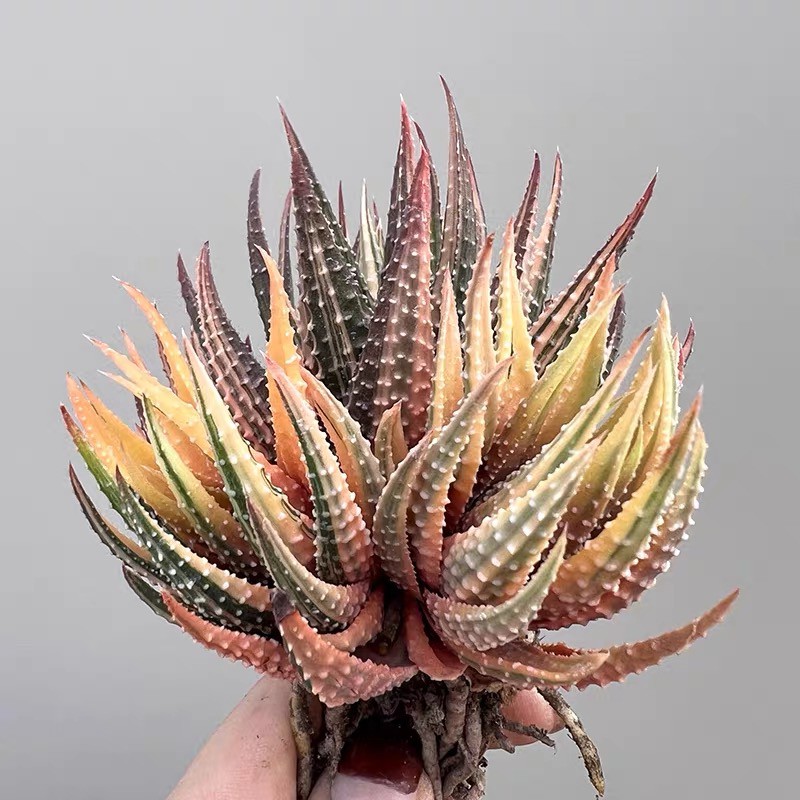
  • Haworthia Inca Rose

    Dimensions: 2.3 inches (60 mm); 5-month growth cycle. The minimum wholesale quantity for this product is 30 plants. For samples, you can place an order directly from the website and we will send it

  • Haworthia Love in Beijing

    Dimensions: 2.3 inches (60 mm); 5-month growth cycle. The minimum wholesale quantity for this product is 30 plants. For samples, you can place an order directly from the website and we will send it

  • Haworthia Emelyae Poelln

    Dimensions: 2.3 inches (60 mm); 5-month growth cycle. The minimum wholesale quantity for this product is 30 plants. For samples, you can place an order directly from the website and we will send it

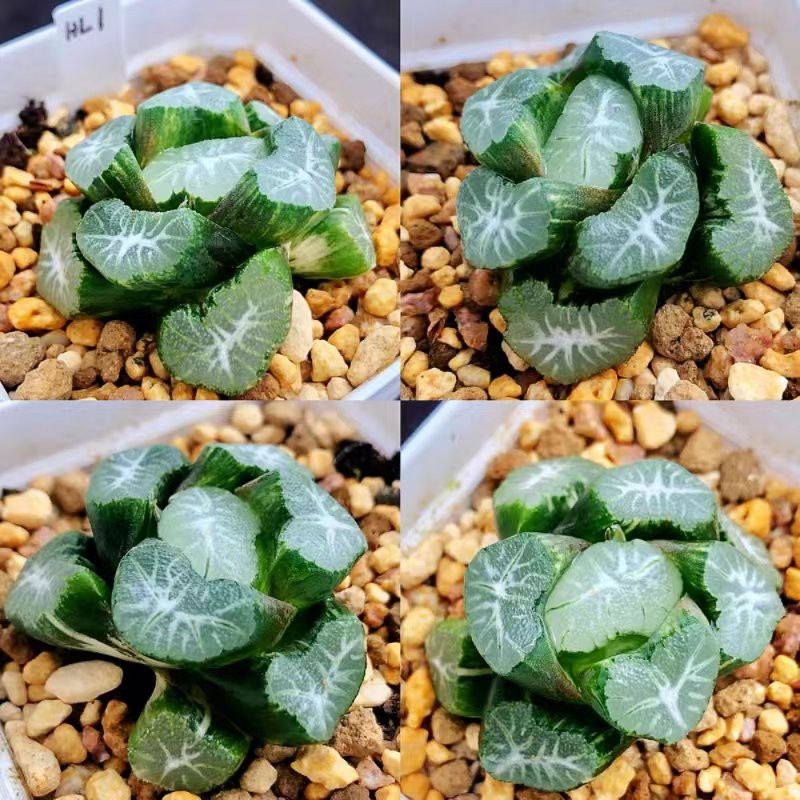
  • Haworthia Truncata

    Size: 2.3 inches (60 mm); 5 month growth cycle. The minimum wholesale quantity for this product is 30 plants. For samples, you can place an order directly from the website and we will send it to you

  • Haworthia Truncata Var. Maughanii Hanabishi

    Dimensions: 2.3 inches (60 mm); 5-month growth cycle. The minimum wholesale quantity for this product is 30 plants. For samples, you can place an order directly from the website and we will send it

  • Haworthia Truncata Var. Maughanii (Poelln.) B.Fearn

    Size: 2.3 inches(60mm); 5 months growth cycle. The minimum wholesale quantity for this product is 30 plants. For sampling, Orders can be placed directly from the website, we will send it to you by

What is Haworthia?


Haworthia, also called zebra cactus, pearl, star window, and cushion aloe, is a large genus of small, slow-growing succulent plants. They resemble mini aloe plants with rosettes of fleshy green leaves generously covered with white pearly warts or bands. Commonly kept as indoor plants, they require bright light but not all-day full sun, preferring temperatures between 70 to 95 degrees Fahrenheit. Haworthia thrives in sandy, well-draining, neutral soil that provides adequate summer moisture and relatively drier winter conditions.


Benefits of Haworthia
 
01/

Unique aesthetic appeal: Haworthias offer an extraordinary variety of forms, textures, and colors. From the glass-like transparency of haworthia cooperi to the zebra-striped patterns of haworthia fasciata and the rugged, sculptural beauty of haworthia reinwardtii, these plants add a striking visual element to any collection.

02/

Compact size: Their small stature makes them perfect for indoor cultivation, fitting beautifully on windowsills, desks, and as part of terrariums or miniature gardens. Despite their modest size, they make a significant visual impact.

03/

Low maintenance: Haworthias are exceptionally low maintenance,requiring minimal watering and able to thrive in indirect light. This resilience makes them ideal for beginners or for those seeking plants that don't require constant care.

04/

Drought tolerance: As succulents, haworthias are adapted to survive in arid environments, storing water in their thick, fleshy leaves. This makes them exceptionally drought-tolerant and capable of enduring periods without water, a beneficial trait for busy plant owners.

05/

Non-toxicity: Haworthias are non-toxic to pets and humans, making them a safe choice for households with animals or children. This peace of mind adds to their appeal as houseplants.

06/

Propagation ease: These plants readily produce offsets (pups), which can be easily separated and grown into new plants. This ease of propagation allows enthusiasts to expand their collection and share with friends and family.

07/

Adaptability: Haworthias are highly adaptable to a variety of indoor environments, making them suitable for growth in different home or office settings. Their ability to tolerate low-light conditions especially sets them apart from many other succulents.

08/

Year-round interest: Unlike some plants that may go dormant or lose their appeal at certain times of the year, haworthias maintain their decorative appearance year-round,providing continuous interest and beauty.


Types of Haworthia
Crassula Ivory Pagoda
Haworhtia Margaritifera Fvariegata
Haworthiopsis Koelmaniorum
Haworthia Inca Rose

Haworthia koelmaniorum
Haworthia koelmaniorum looks like a dark red starfish for its leaves' color and pattern. It grows exceptionally well in bright light, but direct sunlight can shrink leaves. Optimally, the plant likes warmer temperatures in summer and cooler in winter, capable of withstanding temperatures as low as 30 to 50℉. You need to be careful in watering to avoid root rot.


Haworthia viscosa
Haworthia viscosa is an ornamental succulent with triangular leaves that can be variegated in pink, red, purple, yellow and orange.

You can keep it alive in dim light or partial shade. Just remember, direct sun can burn leaves and result in discoloration. In Spring and Summer, water deeply and wait for the next watering round unless the soil is completely dried. Similarly, from mid-summer to Early Spring, water every 2 months.


Haworthia coarctata
Haworthia coarctata is a widely grown succulent for its compact and crowded leaves structures. The leaves are thick and triangular, with white stripes and a deep green tint.

This Haworthia variety grows well in full sun to partial shade and is not cold hardy. It goes dormant in summer and requires temperature to be around 75 to 90℉. Frequent watering is not required for this plant, and the soak-and-dry method works well to keep the plant hydrated at the right time.


Haworthia truncata
Haworthia truncata is a small succulent well known for its unique leaves structure. The leaves appear to be cut off from the top and are in a fan-like arrangement, making this Haworthia variety unique.

Typically, horse teeth plant prefers bright light, but you can also grow in light shade; even a little frost is bearable for the plant. The ideal temperature to grow horse teeth plants is from 75 to 90℉. Similarly, this succulent variety demands little more water in spring, summer and fall. Watering in winter must be reduced.


Haworthia retusa
Haworthia rettusa is a tiny, low-maintenance succulent with a star-shaped rosette of thick triangular leaves. The fleshy leaves are lime green with a triangular translucent end area marked with longitudinal lines.

Caring for star cactus is easy as it is adapted to thrive in partial shade. Protect from direct sun rays on hot summer days; otherwise, it grows well in bright areas. The plant can tolerate temperatures as low as 30 to 50℉. Only water the plant if all moisture is gone, and change the watering frequency with changing weather.


Haworthia limifolia
Haworthia limifolia is one of the most decorative succulents that forms compact stemless rosettes singly or in groups. The leaves are triangular and marked with white ridges, strikingly contrasting with a dark green background.

The plant is not very demanding, and little care keeps it fresh and alive. It needs bright, indirect sunlight and warm temperatures for optimal growth. It can also withstand temperatures as low as 30 to 50℉. Also, be cautious in watering and avoid making the leaves drenched to discourage rotting.


Haworthia cooperi
Haworthia cooperi is a stemless succulent forming fleshy, smooth and round-tipped leaves

Cooperi Haworthia is an easy-to-grow succulent that prefers bright filtered light and can thrive in partial shade. Too much sun causes green leaves to fade, while too much shade makes the plant leggy with less flowering, so the ideal temperature for Haworthia cooper is above 50℉.


Haworthia cymbiformis
Haworthia cymbiformis is a drought-tolerant succulent with pale green fleshy leaves. The plant leaves form rosettes that are semi-translucent towards the leaf tips.

This plant grows well in bright indirect sunlight and bears partial shade. Typically, this Haworthia variety prefers warm weather but can survive cool winter (not under 40℉). Just keep the plant well drained with good succulent potting mix water carefully, and you can have it for years to come.


Haworthia bolusii
Among all other Haworthia varieties, the leaves of Haworthia Bolusii are thinner and more delicate, making a fuzzy round ball. You can see hair-like spines on the back and inward edges of the leaves that add to its beauty and make it the perfect plant for your succulent garden.

Baker Haworthia doesn't require direct sun – it grows well in bright areas with indirect sun rays. Also, be cautious not to place your plant in shade for long as it can weaken the plant over a prolonged period.


Haworthia margaritifera
Haworthia margaritifera, a surprisingly beautiful succulent, has dotted leaves that look like pearls to add a special touch to the plant.

To take care of this plant, you need to put it in a spot where it gets light but not too much sun. You should also be careful with watering – let the soil dry out between watering. This plant likes temperatures that are not too hot or cold, just in the middle. The best temperature for this plant is around 65-80°F.


Haworthia bayeri
Haworthia bayeri is one of the most beautiful succulent varieties with uniquely patterned leaves that are deep green with a touch of red on the tips. There is a white veining pattern, too.

Typically, moon shadow prefers bright indirect sunlight and is best for outdoor succulent gardens. Bring it indoors before the outdoor temperature drops drastically if you live in a cold area. Similarly, water as per your climatic conditions, more in warm and dry periods while less in cold and humid days.


Haworthia arachnoidea
Haworthia arachnoidea is a unique Haworthia species with dense leaves covered in translucent bristles. There are no translucent tips, unlike other varieties.

Regarding plant care, paper rose is a beginner-friendly succulent and allows inexperienced growers to have it in their succulent garden. It does well in full sun and semi-shade (ideal temperature 50 - 75℉); indoors or outdoors places are equally suitable for Cobweb aloe. Just water scarcely, and don't let the soil soak for most of the time.


Haworthia fasciata
Haworthia fasciata is one of the most commonly grown zebra succulents with thick leaves that have white horizontal stripes on the outer leaves' surface while the inner side is smooth.

This Zebra plant is best for beginners as it grows well with little to no care. You only need to grow the plant in bright, indirect sunlight. Do not expose leaves to scorching heat, as too much sun can cause the leaves to turn white. During summer, the ideal temperature for this Haworthia variety is 60 to 85℉. Similarly, the plant requires water in moderation, water when the soil is dried already.


Haworthia reinwardtii
Haworthia reinwardtii, is another small succulent with leaves that are large at the bottom and narrow to curve upwards.

Normally, the plant prefers partial sun to partial shade and does not grow well below 40℉. Similarly, Zebra wart is an ideal indoor succulent; you must have it in your succulent arrangement.


Haworthia attenuata
Haworthia attenuata is an outstanding succulent with rosettes of pointed, fleshy leaves. The plant leaves are arranged in a spiral pattern, creating an attractive and symmetrical appearance, making it a must-grown indoor succulent. Bold white stripes on dark green leaves also give the plant a zebra-like pattern.

This is a low-maintenance plant and thrives well in bright indirect sunlight (prefers temperatures between 65 to 80℉). The Zebra plant also tolerates some direct sunlight, but avoiding intense heat can prevent leaves from burning. Similarly, use well-draining succulent or cactus mix to save plants from waterlogging.


Application of Haworthia

Haworthia in home decor

Add a touch of nature to your living space by placing haworthia on shelves, coffee tables, or window sills. The plant's unique shape and patterns make it an excellent decorative piece that complements various interior styles. Consider grouping different haworthia species together to create an eye-catching succulent display.

Haworthia in dietary habits

Did you know that haworthia gel is edible? You can use it as an ingredient in smoothies, juices, or even salads. The gel has a slightly tangy flavor and can add a refreshing twist to your recipes. Just make sure to only consume gel from well-maintained haworthia plants and avoid ingesting any other parts of the plant.

Haworthia in beauty and skincare regime

Harness the power of haworthia by incorporating it into your skincare routine. Use the gel as a natural moisturizer, or create your own diy face mask by mixing haworthia gel with other beneficial ingredients like honey or aloe vera. Your skin will thank you for the nourishment and glow it receives from this succulent wonder.


Process of Haworthia


Plant your haworthia in well-draining soil. Cactus mix generally works well for haworthia plants, as it is made to allow for drainage. You can also mix your soil with pumice or perlite to further improve drainage and help protect the plant from overwatering.


Place your plant in bright, indirect sunlight. If the plant’s leaves begin to turn white or yellow, it’s generally a sign that it is receiving too much direct sunlight, while faded green coloring indicates too much shade.


Keep your haworthia in a warm growing environment. Warmer summer temperatures are ideal for haworthia species. You can move your haworthias outdoors during the warmer months, but do so gradually, or your plants will be prone to sunburn in full sun. In the winter, these plants can handle a cooler environment, but temperatures below 40 degrees Fahrenheit are harmful to this plant.


Water your haworthia according to the season. Like many succulents, haworthias require more water in the summer than winter. Thoroughly soak the soil in the summer months and allow it to dry completely before watering again to avoid root rot. These plants only require water every other month in the wintertime.


Repot your haworthia when it has outgrown its pot. Spring or early summer is the best time to repot haworthias with fresh potting soil mix to encourage growth.


Propagate haworthia plants in the spring or early summer. New haworthia plants can be propagated through seeds, offset division, or cuttings, depending on the variety of the plant.


How to Maintain Haworthia
 
Haworthia Emelyae Poelln
 

Watering needs

Watering Haworthia succulents is crucial for their growth and health. They prefer drier soil, so it's best to let it dry between waterings. During spring and summer, water Haworthias every two to three weeks, while in fall and winter, reduce watering to once a month or less. Overwatering is better for these resilient zebra Haworthia plants.


Light requirements

Haworthia succulents thrive in full sun to partial shade avoiding direct sunlight for extended periods that can cause leaf burn or browning. These zebra succulents should be kept in a gentle, filtered environment, with no excessive light. If leaves turn yellow or pale, they need more sun exposure.

Haworthia Truncata Var. Maughanii Hanabishi
Haworthia Love in Beijing
 

Optimal soil & fertilizer needs

Haworthia zebra plants prefer well-draining soil, either from cactus or succulent mix or creating their own mix. Use a natural fertilizer with an equal mix of NPK (5-10-5) once a year during the growing season in the spring. Avoid over-fertilization to prevent salt buildup and damage to the zebra succulent.


Hardiness zones & more

Haworthia zebra succulents thrive in USDA hardiness zones 9–11, preferring 65–80°F daytime and slightly cooler nighttime temperatures. They tolerate low to moderate humidity, and good air circulation is crucial for their growth. To keep them in shape and get rid of any dead or damaged sections, prune them occasionally.

Haworthia Cooperi Var


Propagating Haworthia: How to Do It
 

The different varieties of Haworthia can be propagated in two ways

Propagating haworthia from offshoots

As the succulent often forms offshoots, the simplest method of propagation is to remove and replant the daughter plants. It is convenient to use this method of propagation when repotting. In spring, at the beginning of the growth phase, the offshoots have often already formed roots. Simply separate them from the mother plant and plant them in a separate pot with suitable soil. If there are no roots yet, let the offshoot dry out in the air for a few days before planting.

Propagating haworthia from cuttings

Another way to propagate Haworthia is from cuttings. This method is a little trickier and is not always successful. To regenerate a cutting into a new plant, cut off a leaf of the mother plant with a sharp knife and leave it to dry for about three days. Then place the cutting with the surface of the cut facing downwards into the soil, the same as that used for the mother plant. Place the potted leaf cutting in a bright and warm location and keep the soil moist. As soon as roots have formed, you can care for the plant normally.


Common Problems
 

Overwatering
One of the most common problems of haworthia zebra is overwatering. You can easily notice a sure signs of this issue by the mushy and discolored leaves. This may be caused by a lack of drainage in the soil or container.

Unfortunately, it is almost impossible to save once rot has spread through the plant’s root system. You can either salvage what you can or attempt to propagate from leaves. Replace any leftover soil completely, trimming the affected roots to stop the fungi from spreading.


Brown leaf tips
If the spiked ends of the leaves start to turn brown and dry up, your zebra plant's likely underwatering. This issue could also result from excessive sunlight exposure or high temperatures, leading to a lack of moisture in the leaves that dries out the ends. While the dried leaves won’t return to normal again, you still need to adjust the watering routine to stop any new leaves from drying out.


Pests and diseases
Haworthias are generally free of most pests. The one exception is mealybugs, but this problem is easily resolved by physical removal or with standard houseplant insecticides.

The most significant disease that zebra plants usually deal with is root rots caused by poor soil or overwatering. Occasionally, root rots can move into the plant stem resulting in the death of the plant.


Our Factory
 

We are the only company in Liaoning Province that has the import and export qualification for endangered plants granted by the Chinese government. 

productcate-1-1


FAQ

Q: Is Haworthia a cactus or succulent?

A: Haworthias are small and deservedly popular succulents from southern Africa. They are generally of easy culture, of small and convenient size, more tolerant of modest lighting than many succulent plants, and come in many beautiful variations on a common theme.

Q: Is Haworthia same as aloe vera?

A: The leaves often have paler green color covered with darker vertical stripes. One typical example of this Haworthia is Haworthia Window. A small number of Haworthia have thick, dark green pointy leaves covered with bumpy, white bands. Both types have smooth leaf's margin, which set Haworthia apart from Aloe and Agave.

Q: What is Haworthia good for?

A: Symbolizes calm, purity, and resilience, reflecting life's virtues. Air-purifying and non-toxic, safe for pets and humans alike. Low-maintenance and therapeutic, ideal for stress relief and design.

Q: Is Haworthia poisonous to humans?

A: Haworthia is not poisonous to humans or animals and so you do not need to worry about keeping it in the home. The liquid that is excreted when the leaves are cut off is simply stored water that the plant would make use of in nature during long periods of drought.

Q: Why is Haworthia so expensive?

A: It usually takes these plants about 4 years to reach flowering size from seed, and with some varieties they can take up to 5 years to start showing their adult aesthetic traits. For this reason, they are more expensive than the more common green varieties.

Q: How often should I water a Haworthia?

A: Because Haworthia store water so efficiently, they do not need to be watered very often. Only water when the soil has been completely dry for a number of days. This may be every two weeks, or in warmer months or warmer climates, it could be more often. Similarly, in more humid environments, it may not be as frequent.

Q: Is Haworthia air purifying?

A: Haworthia 'Obtusa' isn't just eye candy; it's a mini air purifier. This succulent is like a silent sentinel, taking in carbon dioxide and churning out fresh oxygen, improving air quality around you.

Q: Why is my Haworthia flowering?

A: Blooms indicate health: A flowering Haworthia 'Obtusa' is thriving. Bright, indirect light: Essential for triggering Haworthia blooms. Post-bloom care: Snip spent flowers, maintain light and water for future blooms.

Q: Should you trim Haworthia?

A: Spring and summer are the prime seasons for pruning your Veined Haworthia. This timing aligns with the plant's active growth phase, allowing for quick recovery and robust regrowth. Pruning during dormancy is a no-go; it's like asking someone to sprint on a broken leg.

Q: How long does Haworthia live?

A: Haworthias are small and slow growing, with varieties on average reaching between 4cm and 25cm in height. Their lifespan varies depending on growing conditions; in the wild haworthias can live for 50 years but this isn't likely when kept indoors.

Q: Are Haworthia rare?

A: Haworthia parksiana is possibly the rarest haworthis species and occurs only in very small numbers in the wild. Habitat: It grows not far from the coast, embedded in the ground completely under the protection of bushes, very well hidden under the fallen leafs or among lichen and moss.

Q: Does Haworthia attract bugs?

A: Haworthias are not particularly known to attract bugs, but like all plants, they can be susceptible to common pests such as mealybugs if not properly cared for. Good plant hygiene and regular inspections can help prevent infestations.

Q: Is Haworthia an indoor plant?

A: Many varieties of these succulent plants feature fleshy green leaves that develop in a rosette pattern and are covered in white, pearly bumps or warts. Normally grown as an indoor plant, the haworthia is also known by the common names star window plant, cushion aloe, zebra cactus, and pearl plant.

Q: Do Haworthia like to be root bound?

A: Repotting: Haworthia like to be pot bound. When there is more root than soil, go up by 1 pot size – if you choose too large a pot, the soil will not dry out evenly and could result in root rot. Always choose a pot with drainage, and use Succulent and Cacti potting soil which has added sand for even further drainage.

Q: How tall do Haworthia get?

A: Haworthias are small plants (usually growing no more than 5 inches tall). They are relatively slow-growing. They are often produced in small clusters in wide, shallow dishes.

Q: How do you know if Haworthia is thirsty?

A: Wrinkled leaves on your Haworthia Alba are the plant's plea for hydration. It's not going for a distinguished look; those creases mean it's parched. Watch for a color shift too; if your succulent's leaves are trading their vibrant green for a stressed-out hue, it's time to grab the watering can.

Q: Should I cut Haworthia flower?

A: Post-bloom is the prime time for snipping your Haworthia Cooperi. Once the flowers have faded, it's your cue to prune. This helps redirect the plant's energy to the leaves and roots, fostering overall health and vigor.

Q: What does the root of Haworthia do?

A: In the hot seasons, these roots serve two functions: They return moisture to the body of the plant and shrink while doing so, pulling the plant deeper into the soil to protect it from the sun and heat.

Q: Do you water Haworthia from the top or bottom?

A: Perfecting Your Pour: Watering Techniques That Work
Bottom watering is like giving your Haworthia Cooperi a stealthy hydration boost. Submerge the pot in a shallow dish of water and let the soil sip it up through the drainage holes. It's a spa treatment for the roots, encouraging them to grow deeper and stronger.

Q: Does Haworthia need sunlight?

A: Although some Haworthia species can be found in full, bright sun, many live in more protected spots and therefore are adapted to thrive in partial shade (though few look their best without at least some direct sun or bright light). This makes Haworthias well adapted to lower light conditions found in homes.

As one of the leading haworthia suppliers in China, we warmly welcome you to wholesale bulk haworthia for sale here from our factory. All living plants and endangered plants are with high quality and competitive price.

Haworthiopsis Koelmaniorum, Haworthia Inca Rose, haworthia

Send Inquiry