Your Leading Zhongshili International Trade Co., Ltd. Supplier


We are the only company in Liaoning Province that has the import and export qualification for endangered plants granted by the Chinese government.

We focus on the introduction, propagation and cultivation of high-quality living plants and endangered plants. We currently have Multiple planting bases, Guangdong, Fujian, Yunnan, Dalian and Shandong. We strive for the most environmental.


Why Choose Us?

We offer a variety of transmission components

24H online service

Here you can ask any question about indoor plants Aeonium and our experts will give you a satisfactory answer, feel free to write us an email with your valuable comments.

One-stop solution

We can handle customs clearance procedures, endangered plant certificates, phytosanitary certificates, and certificates of origin on behalf of you.

Abundant varieties are available

We insist on continuous innovation and introduction of new varieties, which can meet different market demands. The prices are reasonable. Welcome to purchase.

High quality

We ship directly from the nursery to your doorstep to uphold the quality you deserve. Let our professional growers build the roots & put in the work that sets your garden up for success!

  • Philodendron

    Philodendron is one of the most commercially important and widely grown foliage plant genera in the global horticulture market.

  • Anthurium

    Anthurium (common name: Flamingo Flower, Laceleaf, Tailflower) is a genus of perennial flowering plants in the Araceae family, native to tropical regions of Central and South America.

  • Monstera

    Monstera is a tropical evergreen vine native to Central and South America. It prefers bright indirect light, well-drained porous soil, and warm, humid environments.

  • Gethyllis

    Gethyllis,commonly known as Spiral Grass / Spring Grass,is a fascinating genus of bulbous succulent plants in the Amaryllidaceae family,native to South Africa.

  • Dionaea Muscipula

    Based in China, we are a professional and trusted supplier specializing in succulents, endangered plants and related horticultural products. We are committed to providing global clients with

  • Monotagma Rhodanthum

    Calatheas are native to tropical regions of the Americas. Now they are widely planted in various tropical regions and are also distributed in southern China.

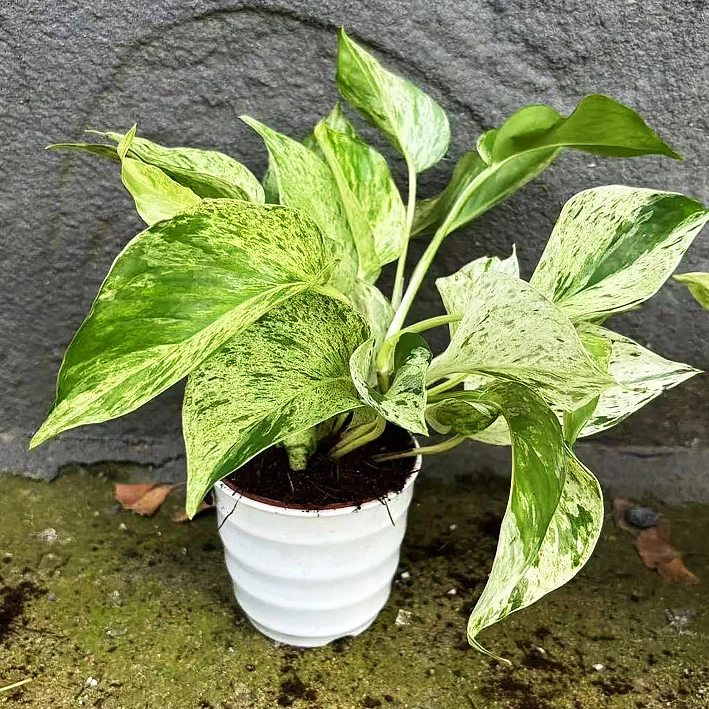
  • Pothos "Marble Queen"

    Pothos Marble Queen is a magical and easy-to-care variety of pothos. It has leaves with white marble patterns and can blend with any decoration. Marble Queen is a great choice for anyone who likes

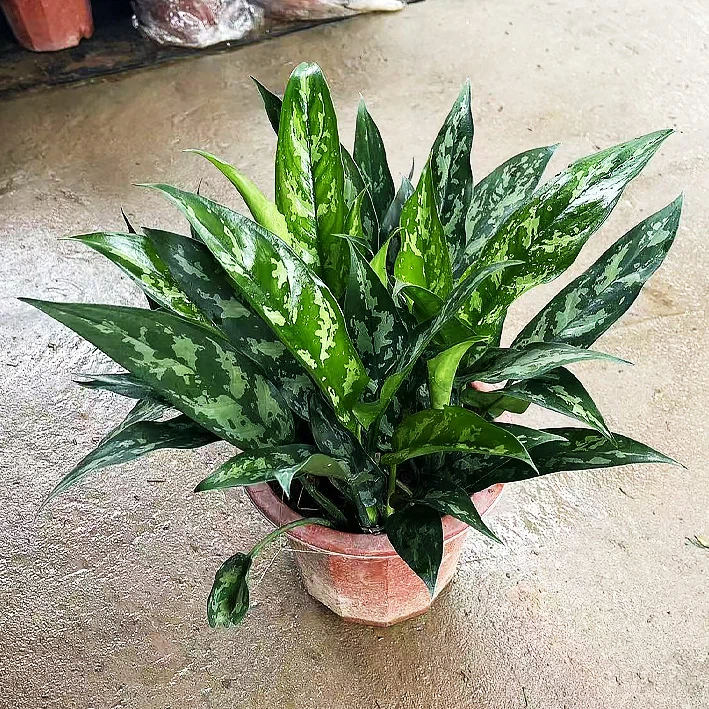
  • Aglaonema 'Malay Beauty'

    Native to tropical Asia, it is now distributed all over the world. It is a perennial herbaceous plant of the genus Aglaonema in the Araceae family.

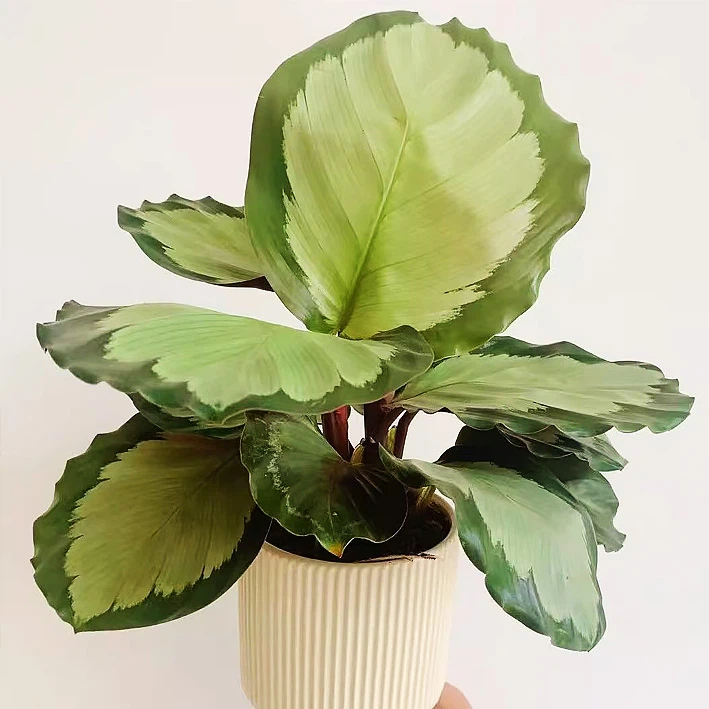
  • Calathea Makoyana E. Morr.

    Calathea makoyana E. Morr. is native to Brazil and has been introduced and cultivated in China. It is a perennial evergreen herbaceous plant of the Marantaceae family and the Calathea genus.

  • Calathea Lancifolia

    Calathea lancifolia is a perennial evergreen herbaceous plant of the Marantaceae family, mainly for foliage viewing. Calathea picturata is native to tropical America and is suitable for indoor

  • Calathea 'White Star

    It is a perennial evergreen foliage ornamental plant of the Marantaceae family and the Calathea genus.

  • Calathea Dottie

    Native to Brazil, Costa Rica, etc. It belongs to the genus Calathea of the Marantaceae family.

First 1234 Last
What is Ctenanthe?


The Ctenanthe plants are also referred to as the never never plants or the giant bamburanta plants. Other times it is also referred to as the fishbone prayer plant. This beautiful, lush, uniquely variegated tropical plant has dark green and cream leaves with a fish-bone pattern on them and a lovely pinkish-purple underside.

These evergreen perennials belong to a species of flowering plans of the family Marantaceae that is native to Brazil. Their full name previously used was Ctenanthe oppenheimiana Tricolor. The tricolor part of the name is derived from the leaves’ appearance. This house plant can reach 3ft tall and 4ft wide.


Benefits of Ctenanthe
 
01/

Humidity regulation
It's a humidity lover, which in turn helps maintain a comfortable level of moisture in your home. Think of it as a natural humidifier without the electricity bill.

02/

Longevity and growth potential
With proper care, this plant is a long-term companion. Its potential for growth means you can enjoy its company for years to come.

03/

Low maintenance
Resilience is the name of the game with this plant. It's forgiving enough for those who haven't yet earned their green thumbs and busy folks who can't always put plants first.

04/

Aesthetic appeal
Its leaves are a visual feast, flaunting intricate patterns and colors that pop. The never never ctenanthe is a living piece of art, adding a splash of the tropics to any room.

05/

Stress reduction
Tending to this plant is a zen-like retreat from the chaos of daily life. Its soothing presence can lower your stress levels, making your home a sanctuary.

06/

Air purification
The never never ctenanthe is a natural air purifier, scrubbing your living space clean of unwanted toxins. It's like having a silent, leafy warrior battling against indoor air pollution.


Types of Ctenanthe


Monotagma Rhodanthum

Ctenanthe burle-marxii

The Ctenanthe Burle-Marxii, also known as the Fishbone prayer plant, features elongated leaves with distinct fishbone-like patterns. This variety thrives in medium to bright indirect light and enjoys consistently moist soil.

Pothos

Ctenanthe setosa

If you're looking for a Ctenanthe plant with a soft and fuzzy touch, the Ctenanthe Setosa is the perfect choice. This variety has velvety leaves with silver stripes, adding an extra dimension of texture to your indoor jungle.

Aglaonema 'Malay Beauty'

Ctenanthe lubbersiana

The Ctenanthe Lubbersiana is a showstopper with its bold and vibrant foliage. Its leaves have rich green and purple tones, making it a statement piece in any room. This variety thrives in bright indirect light and prefers slightly drier soil between waterings.


Process of Ctenanthe
 

Growing in a pot

Choose a pot for your ctenanthe that’s roughly 2 times the size of the original nursery pot - make sure it has drainage holes or use a black plastic pot that sits snuggly inside a cover-pot or cache pot (pot with no holes).

Half fill your pot with Premium Potting Mix for Indoor Plants and gently remove the ctenanthe from the nursery pot and position it into the potting mix, backfill around root ball with more potting mix so that the potting mix is level with, or slightly below, the top of the pot.

Water your new ctenanthe in well and tip out any excess water from the base of the coverpot or saucer (if using). Ctenanthe can tolerate drying out between waterings during winter, make sure the top 1-2cm of soil is dry before watering again. Although ctenanthe like a moist potting mix they don’t like wet feet, so don’t let water pool in the base of coverpots or in saucers as they’ll quickly rot if their potting mix remains soggy or waterlogged.

Growing in the garden

Ctenanthe can be grown outside in warm, frost free climates. Choose a shady spot with rich, moist but free-draining soil - under a tree is ideal. Dig the hole twice as wide as the original nursery pot and the same depth. Mix some Soil Improver through the soil at the bottom of the whole.

Remove your ctenanthe from its pot and position it into the middle of the hole, backfill around the root ball with soil and water your new plant in well.

Mulch around you in ground ctenanthe to retain moisture and suppress weeds. They’ll need regular watering particularly during warmer or dry weather.


How to Maintain Ctenanthe
 

Provide bright but filtered light for your Ctenanthe. Direct sunlight can scorch its leaves, while too low light can cause it to become leggy.


It likes to be kept moist but not wet. Allow the top layer of soil to dry slightly between waterings, but don't let it dry out completely.


Be careful not to overwater your Ctenanthe plant. Overwatering is a really common problem with them. Always check the soil before watering, and be sure to use a pot with drainage holes to allow excess water to escape.


If you notice curled leaves on your Ctenanthe, it could be a sign that your plant is either overwatered or underwatered. Check the soil and adjust your care routine accordingly.


High humidity is key to happiness. While they can tolerate lower humidity levels as low as 40%, they still love humidity levels around 50-70%.


Avoid cold drafts. Ctenanthe plants are tropical and prefer warm temperatures. Keep them away from cold drafts, such as near air conditioning units or open windows.


Fertilise occasionally. Light fertilising with a balanced plant food once every month can help promote healthy growth.


Keep your eye on pests. Ctenanthe plants are vulnerable to pests like spider mites and mealybugs. Regularly inspect the plant for signs of infestation and treat it as necessary.


Regular pruning can help keep your Ctenanthe plant healthy and promote new growth. Trim off any dead or damaged leaves, and cut back leggy stems to encourage bushier growth.


Keep an eye out for signs of stress. Ctenanthe plants can be sensitive to environmental changes, so watch for signs of stress, such as drooping leaves or discolouration. Adjust the plant's care as necessary to keep it healthy and thriving.


Calathea Makoyana E. Morr.

Why Do Ctenanthe Plants Fold up Their Leaves at Night?


This phenomenon of folding up their leaves at night is why Ctenanthe plants are called prayer plants. This behavior is known as "nyctinasty" in the horticulture world. Although the exact reason isn't clear, the plant may be responding to changes in light and temperature, or it may just be a way of efficiently protecting itself from pests.


Common Issues with Ctenanthe


Curled leaves and brown leaf-edges are the result of too little water or over-exposure to the sun. Ctenanthe are best located in bright, indirect settings, and those that haven't acclimatised to the harsh rays will show signs of sun-scorch and environmental shock. A splash of winter sunlight is acceptable as long as the soil moisture is regularly observed, with complete avoidance once summer comes along.


When a Ctenanthe is severely dehydrated, most of its leaves will crisp-up and fall off - leaving you with a naked plant. Although it may spell the end of juvenile plantlets, there may still be light at the end of the tunnel for more established specimens. If the stems and leaves are thoroughly crisp, prune the stems to around an inch from the soil line and contain the plant (with its pot) in a transparent bag that has small holes. Keep the soil continually moist, providing a good level of indirect light and temperatures above 15°C (59°F). After a few weeks, new rhizomatous growths will form above the soil line, signalling the start of its recovery process. Maintain a sealed environment for the following month until you feel it's necessary to release it back into the open air. For the prevention of environmental shock, be sure to introduce a humidity tray for higher levels of atmospheric moisture around the plant in its new setting. Not only will this ease the specimen back into normal functioning life, but it'll also reduce the rate of transpiration (water-loss in the leaves), and therefore downplay the risk of dehydration and further decline.


Spider Mites are small, near-transparent critters, that'll slowly suck out the chlorophyll out of the leaves. Have a check under the leaves, most notably along the midrib, for small webs and gritty yellow bumps. Click here to read our article about the eradicating Spider Mites, along with some extra tips that you may not find elsewhere!


Root rot is a common issue with specimens sat in too moist or waterlogged soil for long periods. Symptoms include rapidly yellowing leaves, stunted growth and a rotten brown base. Take the plant out of the pot and inspect health below the soil line. If the roots sport a yellow tinge, you're good to go, but if they're brown and mushy, action must be taken immediately. More information about addressing root rot can be found on this link.


Too low humidity can cause browning tips with yellow halos on juvenile leaves. Although this won't kill your specimen, you may want to increase the local moisture to prevent the new growth from adopting these symptoms. Mist or rinse the foliage from time to time and create a humidity tray while the heaters are active to create a stable environment. The browning of leaf-tips on older leaves is wholly natural and is the product of extensive photosynthesis during its life.


Dust or rinse the leaves regularly. Although this isn't too much of an issue, a build-up of dust particles can clog up the plant's pores, causing lowered light capturing-efficiency. Wipe the topsides of the leaves down once a month to keep levels down and improve growing conditions. THE HOUSEPLANT DOCTOR™ recommends rinsing the foliage once a month in the show (with lukewarm water).


Mould developing on the soil means two things - too little light and over-watering. Despite the harmlessness of the mould, it'll prove unsightly to most gardeners and is therefore removed once known. To remove, replace the top two inches of the soil for a fresh batch of 'Houseplant' compost. Either increase the amount of light received (no direct sunlight for the first few weeks to prevent environmental shock) or decrease the frequency of waters slightly. If the mould is accompanied by yellowing lower leaves, you may also have a case of root rot.


Too little light could cause the nyctinastic moments (folding of leaves) to only respond for a fraction of the day, usually accompanied by little to no new growth and gradual decline. Remember to provide a location that is at least bright enough to read a newspaper, and always avoid prolonged exposure to direct light.


What is the difference between Calathea and Ctenanthe?


Calathea and Ctenanthe are closely related plants, both belonging to the Marantaceae family. They are known for their beautiful and brightly patterned leaves, which make them popular houseplants. However, there are some key differences between the two genera.


Growth habit: The most obvious difference between Calathea and Ctenanthe is their growth habit. Calathea plants grow as clumps, with new leaves emerging from the base of the plant. Ctenanthe plants, on the other hand, grow on branching stalks. This gives Ctenanthe plants a more upright and bushy appearance.


Leaf patterns: Both Calathea and Ctenanthe have patterned leaves, but the patterns can vary significantly.Calathea leaves are often decorated with bold geometric patterns, while Ctenanthe leaves tend to have more flowing and organic patterns.


Flowers: Calathea and Ctenanthe both produce flowers, but they are not particularly showy.Calathea flowers are typically small and white, while Ctenanthe flowers are often yellow or orange.


Our Factory
 

We are the only company in Liaoning Province that has the import and export qualification for endangered plants granted by the Chinese government. 

productcate-1-1


FAQ

Q: Is Ctenanthe an indoor plant?

A: Tall and slender with silvery green, burgundy backed foliage. Its interesting veined leaf pattern makes it a popular indoor plant though equally at home in a partly shaded spot in the garden. Also suited to growing in pots.

Q: Is Ctenanthe toxic to humans?

A: Never Never Ctenanthe is a champ in the non-toxic plant league, making it a worry-free choice for homes. Allergic reactions are rare but possible, so it's smart to wash your hands after handling the plant—just in case.

Q: What is Ctenanthe also known as?

A: The Ctenanthe burle marxii Amabilis has long, oval, grey-green leaves with a stunning fishbone pattern. The Never-Never Plant is also known as Fishbone Prayer Plant and in parts of Europe they are also known as Stromanthe.

Q: Where to put a Ctenanthe?

A: Ctenanthe prefer a spot with medium to bright indirect light - direct sun can burn their leaves. Ctenanthe like a humid environment, so position them in a naturally humid spot like a bathroom or kitchen, sit the pot on a saucer filled with pebbles and water or mist their leaves regularly.

Q: How often should I water a Ctenanthe?

A: Water the plant when the top inch of soil feels dry to the touch, and be sure to use room-temperature water to prevent shock to the roots. Your ctenanthe 'Compactstar' is a bit sensitive to chlorine, so use filtered water or leave tap water to stand in your watering can overnight before watering.

Q: Does Ctenanthe purify air?

A: They are sturdy plants which can handle high temperatures well. The Ctenanthe is a strong air purifier. The Ctenanthe is not toxic. However, pets who try to eat it might get a little sick.

Q: Why is Ctenanthe called Never Never Plant?

A: Ctenanthe is a plant with a unique name that's pronounced "ten-an-thee" (the "c" is silent). They are also known as the Never Never Plant or Prayer Plant because they close their leaves at night as if they're in prayer and open them again in the morning.

Q: Is Ctenanthe a prayer plant?

A: Ctenanthe are related to Maranta, Calathea and Stromanthe and are best known for their fantastic leaf patterns! Also known as Prayer plants for the way their leaves close up at night.

Q: Do Ctenanthe like to be root bound?

A: Conversely, a snug fit can cramp the Ctenanthe's roots, stifling its growth. The material matters too; porous options like terracotta help wick away excess moisture, while plastic retains more water.

Q: How tall do Ctenanthe grow?

A: Ctenanthe setosa is a 1.2 m tall, evergreen plant with leaf. produces oblong, beautiful leaves that are a silvery green colour.

Q: Is Ctenanthe a good indoor plant?

A: Yes, but you should avoid exposing your plant to direct sunlight. Bright or filtered light is ideal for Ctenanthe and will result in the most vibrant foliage color. At lower light levels the leaves may start losing their variegation and growth can become leggy.

Q: Can you take cuttings from Ctenanthe?

A: Stem cuttings are the Never Never Ctenanthe's ticket to cloning itself. Here's the rundown: Snip a healthy stem with the precision of a bonsai master. Strip the lower leaves and plop it in water or soil, your call.

Q: Should I cut the brown tips off my plant?

A: Brown leaf tips or edges can happen on any indoor plant but are common on some species like spider plant and dracaena. Trimming the brown portions off the leaves with a scissors can improve appearance, but new browning will occur if the root cause is not addressed.

Q: Should I mist my Calathea?

A: All Calatheas originate from tropical climates, so you can imagine the high humidity and temperatures they're used to. There are several ways you can maintain high humidity levels for your Calathea, but the simplest one is by regular misting, ideally once every two days.

Q: Does Ctenanthe need sun?

A: Your Ctenanthe will do best in medium to bright indirect light, but will tolerate lower light situations. Do not place this plant in direct sunlight as the leaves will burn. For best results, water your Ctenanthe when the top 25-50% of soil is dry.

Q: How to look after a Ctenanthe?

A: Your Ctenanthe will do best in medium to bright indirect light, but will tolerate lower light situations. Do not place this plant in direct sunlight as the leaves will burn. or best results, water your Ctenanthe when the top 25-50% of soil is dry.

Q: Can Ctenanthe be divided?

A: Ctenanthe burle-marxii can be propagated by root division. This is best done when re-potting large and mature plants. Remove the plant from its pot and 'tickle' the root ball to loosen the soil. Use a sharp knife or secateurs to divide the plant, ensuring there is sufficient root ball to support the stems and leaves.

Q: What is the difference between stromanthe and Ctenanthe?

A: Ctenanthe (left) and Stromanthe (right) showing one of the most obvious differences. On the Ctenanthe Tricolour (left), the line down the middle of the leaf (the midrib), is a clean 'pin-stripe' - and on the Stromanthe Triostar (right) you can see a blurred 'glow' either side of the midrib.

Q: Why are my Ctenanthe leaves sticky underneath?

A: Some plants produce sticky deposits on the leaves in response to cultural stress. Common examples include Cymbidium, Ctenanthe, Philodendron, Tibouchina and Zantedeschia. Such symptoms indicate poor growing conditions. Control: Improve cultural conditions; avoid excess watering.

Q: Are Ctenanthe easier than Calathea?

A: Marantaceae alternatives:
They are much easier to keep than Calathea and often grow faster too! Ctenanthe: Ctenanthe have only recently been reclassified out of the Calathea genus, so visually they are very similar. Quite often, Ctenanthe have long, ovoid leaves that are a little firmer and sturdier than Calathea.

As one of the leading ctenanthe suppliers in China, we warmly welcome you to wholesale bulk ctenanthe for sale here from our factory. All living plants and endangered plants are with high quality and competitive price.

Aglaonema China Red, Aglaonema Eileen, Aglaonema Greely Red

Send Inquiry